Why Check Call Automation Is the Next Big Win for Freight Operations
The Daily Check Call Crunch
If you have ever run a small freight brokerage or managed dispatcher workflows for a carrier, you know the afternoon check call routine. Someone calls the driver, asks for a location update, types it into a spreadsheet, then forwards a status email to the customer. Repeat for every load on the board. On a busy day, that can eat two to three hours of a dispatcher's time.
That time adds up, and it is rarely the best use of a skilled person. The same people who should be negotiating rates, solving delivery exceptions, or building carrier relationships are stuck on the phone playing telephone tag. This is where check call automation becomes a practical answer. It does not replace the human judgment needed in freight, but it removes the repetitive, low-value part of the job.
What Check Call Automation Actually Does
At its core, check call automation handles the routine status updates that used to require a phone call. Instead of a dispatcher dialing out, the system sends a message to the driver, waits for a reply, and logs the response automatically. That message might be a simple text with a link, an email prompt, or even an automated voice call. The driver taps a button or replies with a short code, and the update flows straight into the transportation management system.
For a carrier, that means fewer interruptions for drivers while they are on the road. For a broker, it means the customer gets a reliable update without someone chasing it down. And because the check call is tied to load tracking, the status is always connected to the specific shipment, not scattered across emails and sticky notes.
One of the quieter benefits is consistency. Manual check calls depend on the person making them. Some dispatchers call every two hours, others only when they remember. Automation enforces a steady rhythm. That consistency matters when a customer asks, "Where is my truck?" You can give a straight answer because the last update is fresh and verified.
The Email Angle That Makes It Work
Here is a detail that often gets overlooked. Much of the freight industry still runs on email. Drivers may not have a fancy mobile app, but they all have a phone. Carriers and brokers live in Outlook or Gmail. That is why email integration is such a practical foundation for check call automation. Instead of asking everyone to learn a new platform, the automation works with the tools people already use.
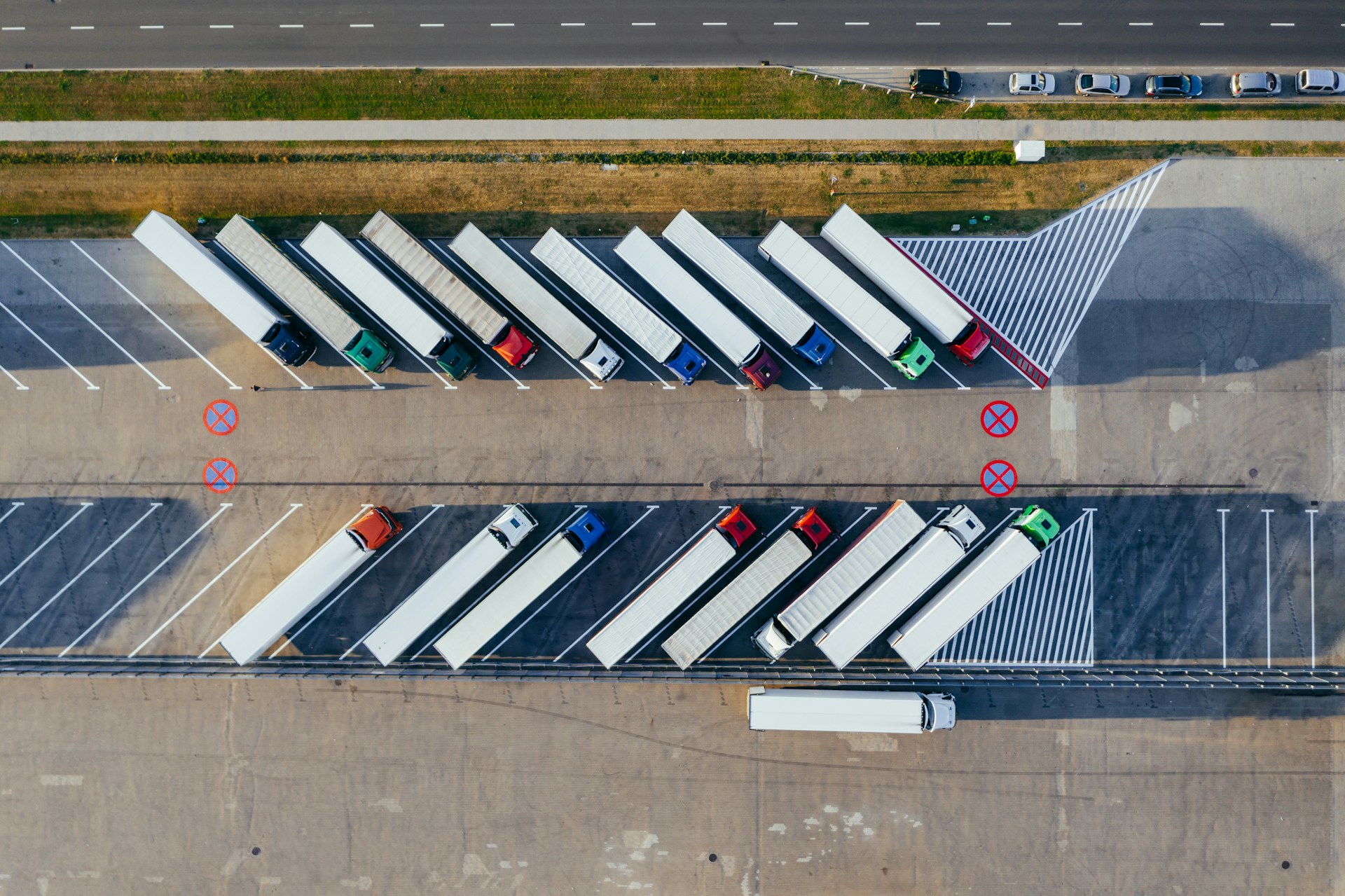
An email-based check call might look like this: the system sends a simple message to the driver's phone, "Reply 1 if loaded, 2 if empty, 3 if delayed." The driver replies, and the system parses that response to update the load status. If the driver does not reply within a set window, it escalates to a manual call. That hybrid approach catches the easy updates automatically and only surfaces the exceptions.
This is where AI-powered automation comes into play. It is not about replacing human decision making. It is about recognizing patterns, anticipating when a check call is due, and flagging the loads that actually need attention. For example, if a truck has not moved in four hours, the system can trigger an alert instead of waiting for the next scheduled check. That kind of proactive nudge is what makes the difference between a status update and a real-time visibility tool.
Beyond the Basics: Handling Quote Requests and Load Booking
Check call automation does not exist in a vacuum. It sits inside a broader set of freight operations that includes quote requests, load booking, and rate confirmation. When a carrier posts available capacity, the broker needs to respond fast. A manual process means someone has to copy the load details into an email, send it, wait for a reply, then re-enter the data. That is slow and error prone.
Automation can streamline that entire flow. A quote request comes in by email, the system extracts the details, and an automated follow-up goes out to the carrier with a rate confirmation link. The carrier clicks, accepts, and the load is booked. No one has to retype the same information three times. That is the same principle as check call automation, applied earlier in the lifecycle.
For brokers, this means more time for broker coordination, the part that actually builds relationships. Instead of spending the morning on paperwork, the broker can call a shipper to talk through a tricky delivery window or work with a carrier on a lane that keeps failing. The automation handles the routine, and the human handles the nuance.
Real-World Scenarios and Practical Trade-Offs
Consider a regional carrier running 30 trucks a day. Without automation, the dispatcher makes 30 to 60 check calls per day. Each call averages five minutes, including dialing, talking, and typing. That is two and a half to five hours of pure checking. With check call automation, that same dispatcher might spend 20 minutes on exceptions, like a driver who has not replied in two hours or a load that is running behind schedule.
But automation is not a magic bullet. There are trade-offs. Some drivers prefer a quick call because they can explain a delay in context. A text reply of "Delayed" does not tell you why. That is why the best systems allow for free-form notes or a follow-up call when the status is not clear. The goal is to reduce the noise, not to eliminate all human interaction.
Another trade-off is the risk of over-automation. If every status change triggers a customer notification, the customer gets spam. The system should be smart about when to notify. For example, send an update only when the status changes or when the load is within a certain distance of the delivery. That keeps the customer informed without overwhelming them.

Implementation also takes some planning. Driver acceptance is a big factor. If the drivers are used to a phone call, they might ignore a text. That is why a good rollout involves training and a grace period. Start with the most tech-comfortable drivers and let the results speak for themselves.
The Role of Data and Route Optimization
Check call automation also feeds into broader data systems. Every status update becomes a data point. Over time, that data can reveal patterns. Maybe a particular lane always has delays at a certain warehouse. Or a specific carrier is consistently late on pickups. That information is gold for route optimization and capacity management.
For example, if you notice that loads going through a certain terminal always have a two-hour wait, you can adjust the scheduled pickup time or find an alternative route. That is not something a single check call tells you, but a series of automated check calls creates a dataset that makes those insights possible.
Carrier compliance is another area where automation helps. When a carrier fails to provide updates, it becomes a compliance issue. The system can flag those carriers and route their loads to more reliable ones. That is not just about efficiency; it is about protecting the customer relationship.
Where It Fits in the Modern Tech Stack
Check call automation is not a standalone tool. It works best when it is part of a transportation management system that also handles load booking, tracking, and customer communication. Digital freight matching, for instance, depends on real-time visibility. Without automated status updates, the visibility is only as good as the last manual call.
What makes this approach different from older systems is the email integration. A lot of automation tools require the carrier to log into a portal or use a mobile app. That is a barrier. Email works because it is universal. The driver can respond from the cab, the broker can see the update in their inbox, and the customer gets a clean notification.
In practice, this means fewer missed updates and fewer angry phone calls. It also means the dispatcher can prioritize the loads that need attention. A load that is on time and on track does not need a manual call. A load that is sitting still does.
A Practical Approach to Getting Started
If you are thinking about adding check call automation, start small. Pick one lane or one customer and run a pilot for two weeks. Track the time saved and the accuracy of the updates. Talk to the drivers and the dispatchers. Adjust the frequency of the checks based on the lane type. A long-haul load might only need a daily check, while a local delivery might need hourly updates.
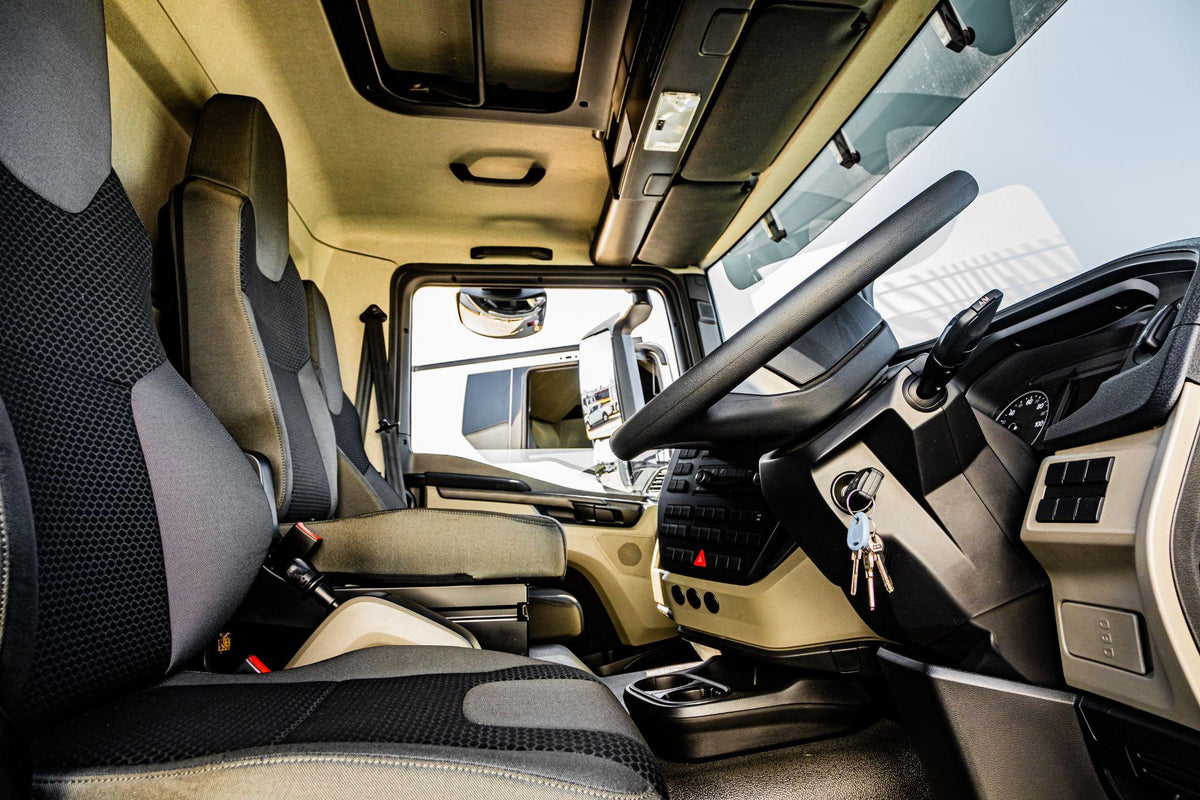
Also think about the exceptions. What happens when a driver misses two check calls in a row? The system should escalate that to a human, not just keep sending automated messages. That escalation path is critical. Without it, you are just automating an incomplete process.
Finally, measure the impact on customer satisfaction. Are you getting fewer "where is my truck" calls? Are the delivery exceptions resolved faster? If the answer is yes, then the automation is paying for itself. If not, tweak the workflow.
The freight industry has been slow to change, but the pressure is on. Shippers expect real-time visibility, carriers want to reduce driver distraction, and brokers need to do more with the same headcount. Check call automation is not a silver bullet, but it is a practical step that touches every part of the operation. It makes the dispatcher's day more manageable, the driver's day less interrupted, and the customer's experience more predictable. And that is a win for everyone.